Sarah Margaret Fuller, sometimes referred to as Margaret Fuller Ossoli, was an American journalist, editor, critic, translator, and women’s rights advocate associated with the American transcendentalism movement.Wikipedia
Margaret Fuller Margaret is the author of the famous quote: “Today a reader, tomorrow a leader”. I couldn’t agree more with what Margaret Fuller said: “If you are a leader, if you want to be one, you have to read.
Sarah MargaretFuller, sometimes referred to as MargaretFuller Ossoli, was an American journalist, editor, critic, translator, and women’s rights advocate associated with the American transcendentalism movement. She was the first American female war correspondent and full-time book reviewer in journalism. Her book Woman in the Nineteenth Century is considered the first major feminist work in the United States. Born Sarah MargaretFuller in Cambridge, Massachusetts, she was given a substantial
Cookie Cutter Step In Time in narrative overlay of Sound of Music and Mary Poppins.
Mary Poppis I assert is a tale of Mary of Tek and Women’s Liberation.
The real Sound of Music Story and what I assert was part of Maria Kutschera history was Black Liberation movement, the idea Barrack Obama Jr would be (via Malcom X and others like Martin Luther King) supporting the CIA backed candidate open the door to Liberalized Royal Great Brittian and USA.
In fact this was just a more publicly sellable version of colonial oppression that through identity politics would increase support of Indirect Rule, the concept that Great Britain could rule indirectly rule through a mutually agreeable or created puppet Sovereign.
In the Woman’s liberation 1900s example the singing nanny was a Marry of Tek like person who had an uncle Albert who had a happy sad disorder of some type.
The Singing Nanny Maria Kutschera has a Prince Albert of York (King George VI) brother of King Edward VIII of Windsor, who had the same Borderline Personality Disorder, more light hearted than reputed to be and also has a General uncle nanny as per Mary Poppins.
The one man troubadour named Burt turns out not to be the one man troubadour at all. He’s part of a large band of people all up on the roofs
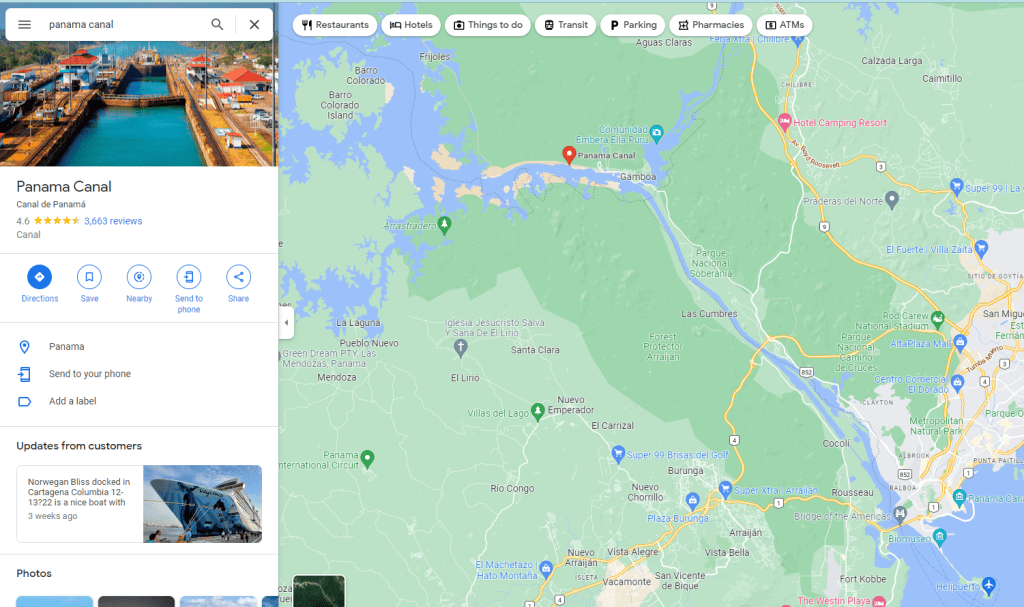
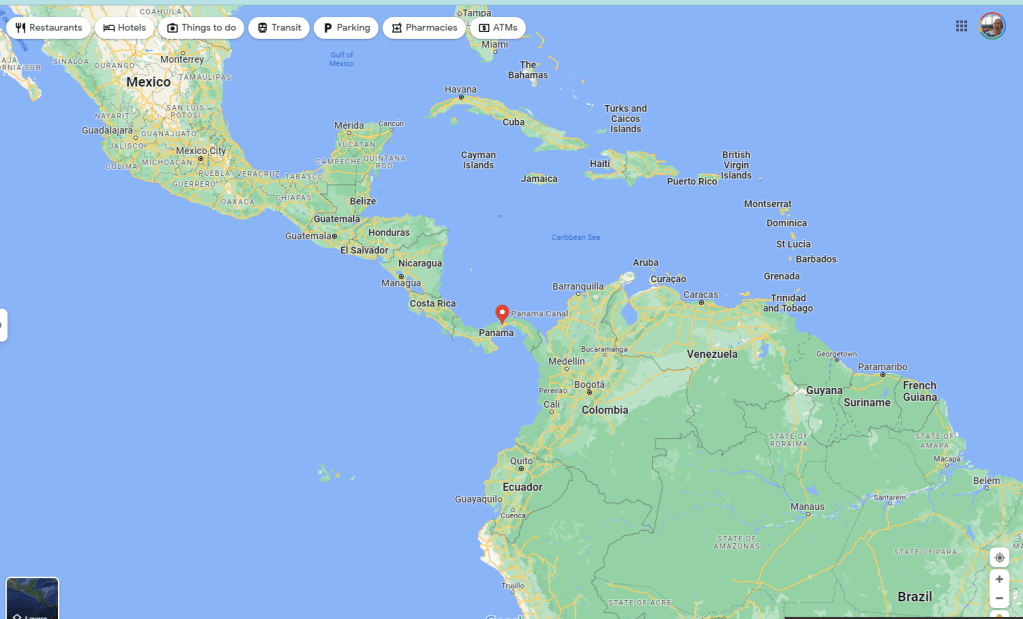
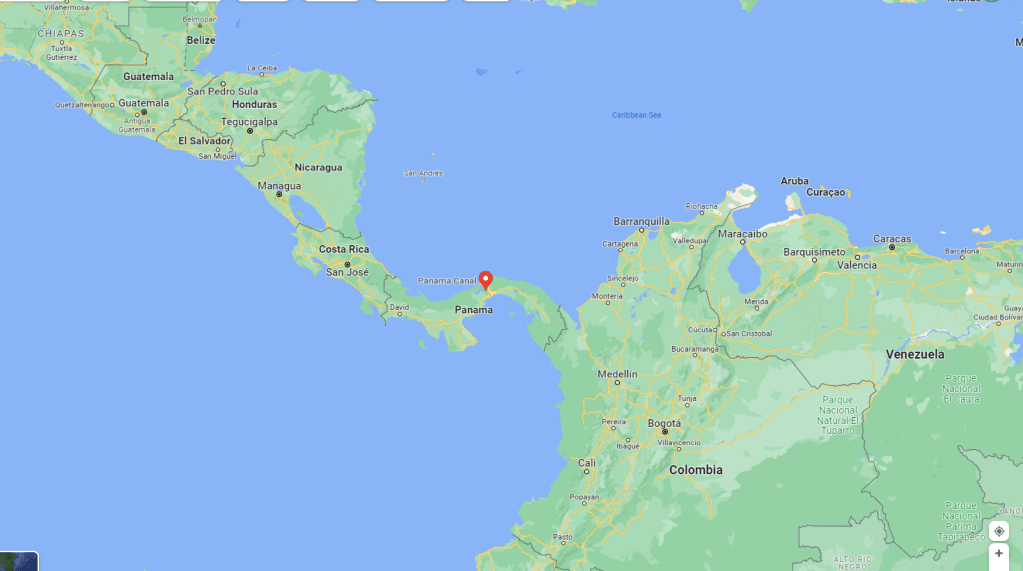
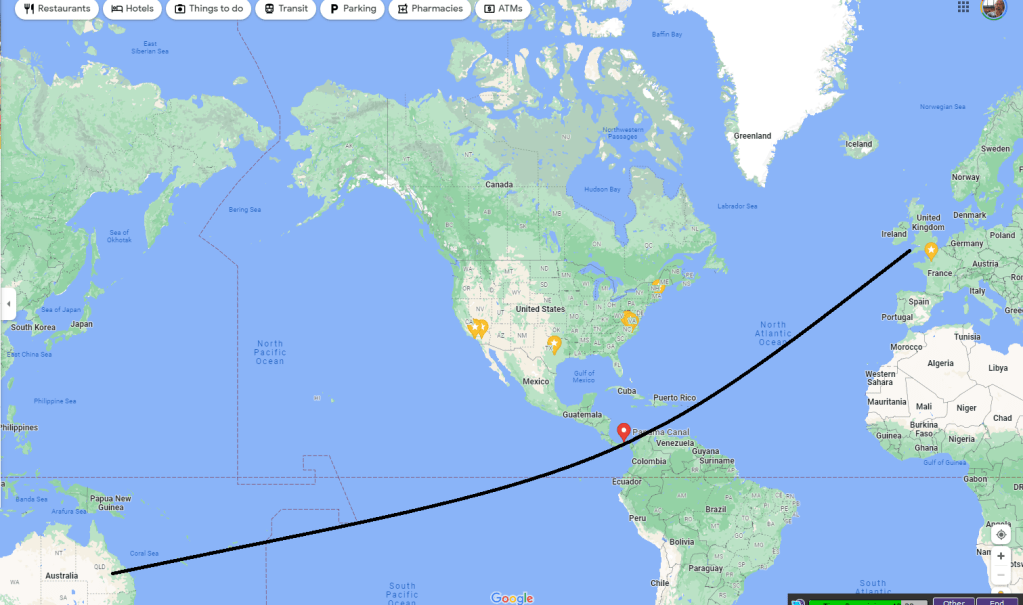
It looks to me Donald Barr through Walt Disney rushed Sound of Music and Mary Poppins both with Julie Andrews as Walt Disney movies to tell the story of British plans for Banks controlling the Latin American and African world including Panama Canal etc., and 33rd Degree free masons as overlords half way between the sky and ground.
Structural Contextual and Content of Mary Poppins
In 1902 the Nation that is Great Brittian was shriking not the least of which was the succession of the United States of America and its becoming a world power on its own.
Mary Poppins though a 1963 to 1965 effort tells a story starting in 1910 when Mary of Tek wife to King George is pushing the theory the British Royal Family needs world interlock and intermarriage if there is to be world peace.
We first meet Bert the Free Mason British chimney sweep ordinarly mortal it seems. But like others like Bankers have 33rd Degree world view and control and now are liberalizing as the world is.
Fist Bert the One Man Band it seems but a Band of Rooftop Chimney Sweeps under the Stars we meet first. Second then is Mary of Tek is to be the worlds Nanny. I think Mary of Tek who would pop in to commoners house and build relationships Third is Sister Suffragette Woman’s Suffrage and Step in Time are liberalizing from the British oppression by brutality of the Colonies of New England or land of India are over it is said, now Honey rather than Vinegar as Great Brittan’s rule takes a step forward in time and liberalizes.
I Edward Paul Donegan assert behind this in the 1950s to 1960s this is occurring in is a Barrack Obama Jr who will be a groomed sleeper and an example of liberalized Great Britain and USA thus increasing the acceptance of Great Britain.
Part of the Public Relations problem England is having is the Kennedy family.
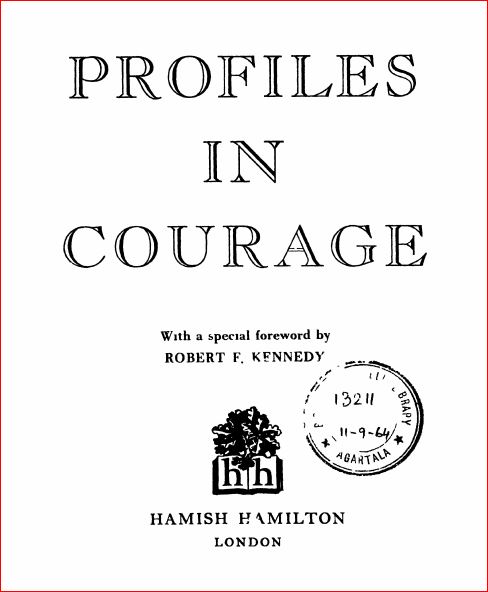
Profiles in Courage is a 1956 volume of short biographies describing acts of bravery and integrity by eight United States Senators. Wikipedia
He well knows what snares are spread about his path, from personal animosity . . . and possibly from popular delusion. But he has put to hazard his ease, his security, his interest, his power, even his .. . popularity ... He is traduced and abused for his supposed motives. He will remember that obloquy is a necessary ingredient in the composition of all true glory: he will remember . . . that calumny and abuse are essential parts of triumph . . . He may live long, he may do much. But here is the summit. He never can exceed what he does this day.
— Edmund Burke’s eulogy of Charles James Fox for his attack upon the tyranny of the East India Company — House of Commons, December i, 1783
Written in 1955 by the then junior senator from the state of Massachusetts, John F. Kennedy’s Profiles in Courage served as a clarion call to every American. The inspiring true accounts of eight unsung heroic acts by American patriots at different junctures in our nation’s history, Kennedy’s book became required reading, an instant classic, and was awarded the Pulitzer Prize. Now, a half-century later, it remains a moving, powerful, and relevant testament to the indomitable national spirit and an unparalleled celebration of that most noble of human virtues. This special “P.S.” edition of Profiles in Courage commemorates the fiftieth anniversary of the book’s publication. Included in this new edition, along with vintage photographs and an extensive author biography, are Kennedy’s correspondence about the writing project, contemporary reviews of the book, a letter from Ernest Hemingway, and two rousing speeches from recipients of the Profile in Courage Award.
It goes downhill from there. Senator JFK, Senate Counsel RFK, President John F. Kennedy, Ted Kennedy, most of them circulate drafts of Authorization for Use of Force Again against the same British Assholes resolution.
Pavement Artist scribe Bert shows us Ireland and other places Mary will win.
The Life I lead is the OLD SCHOOL of Great Brittan and its bankers who build and conquer Latin America while building the Panama Canal, etc., and the bankers do this with the Tuppence children deposit into their savings accounts, collectively.
Feed the Birds in the New School, gental kind rule of the world. Charity and being accepted.
6 Pavement Artist (Chim Chim Cheree) 1:45 · Dick Van Dyke 7 Jolly Holiday 2:08 · Dick Van Dyke, Julie Andrews
8 Super-cali-fragil-istic-expi-ali-docious 2:03 · Dick Van Dyke, Julie Andrews, J. Pat O’Malley, …
9 Stay Awake 1:45 · Julie Andrews 10 I Love to Laugh 2:42 · Dick Van Dyke, Julie Andrews, Ed Wynn 11 A British Bank (The Life I Lead) 1:59 · Julie Andrews, David Tomlinson
12 Mary Poppins: Feed the Birds (Tuppence a Bag) 3:51 · Julie Andrews, Disney Studio Chorus
13 Fidelity Fiduciary Bank 3:47 · Dick Van Dyke, David Tomlinson
14 Chim Chim Cher-ee 2:47 · Dick Van Dyke, Julie Andrews, Karen Dotrice, …
15 Step in Time 2:02 · Dick Van Dyke
16 A Man Has Dreams (The Life I Lead) (Spoonful of Sugar) 4:20 · Dick Van Dyke, David Tomlinson
17 Let’s Go Fly a Kite 1:51 · Dick Van Dyke, David Tomlinson
Lyrics
Chim chiminey, chim chiminey, chim chim cher-ee A sweep is as lucky as lucky can be Chim chiminey, chim chiminey, chim chim cher-oo Good luck will rub off when I shakes ‘ands with you Or blow me a kiss And that’s lucky too
Now as the ladder of life as been strung You may think a sweep’s on the bottommost rung Though I spends me time in the ashes and smoke In this ‘ole wide world there’s no ‘appier bloke
Chim chiminey, chim chiminey, chim chim cher-ee A sweep is as lucky as lucky can be Chim chiminey, chim chiminey, chim chim cher-oo Good luck will rub off when I shakes ‘ands with you
Chim chiminey, chim chiminey, chim chim cher-ee A sweep is as lucky as lucky can be Chim chiminey, chim chiminey, chim chim cher-oo Good luck will rub off when I shakes ‘ands with you
I choose me bristles with pride Yes, I do A broom for the shaft and a brush for the flue
Up where the smoke is all billered and curled ‘Tween pavement and stars is the chimney sweep world When the’s ‘ardly no day Nor ‘ardly no night There’s things ‘alf in shadow And ‘alf way in light On the roof tops of London Cool, what a sight
Chim chiminey, chim chiminey, chim chim cher-ee When you’re with a sweep, you’re in glad company
No where is there are more ‘appier crew
Than them wot sings, chim chim cher-ee, chim cher-oo Chim chiminey, chim chim Cher-ee chim cher-oo
‘Tween pavement and stars is the chimney sweep world When the’s ‘ardly no day Nor ‘ardly no night There’s things ‘alf in shadow And ‘alf way in light On the roof tops of London
Edward Donegan takes this as 33rd Degree Ghost Writers Ghost Riders in the Sky, some well placed (like Clay Shaw or Allen Dulles or John Foster Dulles) banker CIA types who know the world from atop, perhaps Malta is the top of the free mason world.
Chim chim-in-ey, chim chim-in-ey
Chim chim cher-oo!
I does what I likes and I likes what I do

Today I'm a screever and as you can see
A screever's an artist of 'ighest degree
And it's all me own work
From me own memory

Chim chim-in-ey, chim chim-in-ey
Chim chim cher-oo!
I draws what I likes and I likes what I drew
No remuneration do I ask of you
But me cap would be glad of a copper or two

Chim chim-in-ey, chim chim-in-ey
Chim chim cher-oo!
La dum, de da dum
da da da da dum
Mmm hmm
skrēv′ėr, n. one who writes begging letters.—v.t.Screeve, to write such.—n.Screev′ing, the writing of begging letters: drawing with coloured chalks on the pavement for coppers.
Bert appears the next day, at the home of Mary’s Uncle Albert, who is “suffering” from a strange sickness. Apparently, he has laughed too much and is floating in the air, unable to come down. Bert warns Jane and Michael not to laugh, as the “disease” is contagious. However, he succumbs to it himself and joins Uncle Albert in the air. After Jane and Michael float as well, Mary allows them to enjoy tea together, by making the table float to join them. Eventually, they float to the ground, due to the sadness at realizing they must go home. Mary asks Bert to stay and keep an eye on Uncle Albert. He attempts to cheer him up with a joke but fails and they both end up sobbing.
If Maria Kutshera has an Uncle Albert is that King Edward VIII as her (and Julie Andrews and Marilyn Monroe and Glorian Donegan’s father?)
Later, Bert is shown trying to earn money as a street artist. He has drawn pictures depicting his adventures with Mary Poppins. Soon, she appears along with the Banks children, Jane and Michael, for whom she has been employed as a nanny. They tell him that they are on their way to the park. He scoffs at the mundane outing and is able to successfully goad Mary into transporting them into one of his pictures, a depiction of the English countryside.
While Jane and Michael go to a nearby fair, Bert and Mary enjoy a stroll through the countryside and eat lunch at a small cafe. They talk of their long relationship, which is shown to be platonic. Afterward, they join Jane and Michael for a ride on Mary’s private carousel. At her word, the horses jump off, and they enjoy a horseback ride. Along the way, Bert notices a fox running from hunters, and saves it by putting it onto his horse. They end up in a horse race, where they see Mary easily win it. After being asked for a word to describe herself, she tells them of her special word, Supercalifragilisticexpialidocious, and Bert contributes by noting that he used to say it to save his nose from being tweaked by his father for being rude for not speaking. Soon, it begins to rain, which washes off the drawing, and the group is forced to cut the outing short. Though Mary laments the loss of the pictures, Bert notes that are more of them coming soon and that he intends to take advantage of the rain and change businesses by selling hot chestnuts.
Lots of Bush family references (and Walker family) in the Banks family
The troubadour school or tradition began in the late 11th century in Occitania, but it subsequently spread to the Italian and Iberian Peninsulas. Under the influence of the troubadours, related movements sprang up throughout Europe: the Minnesang in Germany, trovadorismo in Galicia and Portugal, and that of the trouvères in northern France. Dante Alighieri in his De vulgari eloquentia defined the troubadour lyric as fictio rethorica musicaque poita: rhetorical, musical, and poetical fiction. After the “classical” period around the turn of the 13th century and a mid-century resurgence, the art of the troubadours declined in the 14th century and around the time of the Black Death (1348) it died out.
The texts of troubadour songs deal mainly with themes of chivalry and courtly love. Most were metaphysical, intellectual, and formulaic. Many were humorous or vulgar satires. Works can be grouped into three styles: the trobar leu (light), trobar ric (rich), and trobar clus (closed). Likewise there were many genres, the most popular being the canso, but sirventes and tensos were especially popular in the post-classical period.
Holiday Lyrics (Mary Poppins)
Lyrics
Ain’t it a glorious day? Right as a mornin’ in May I feel like I could fly Have you ever seen the grass So green, or a bluer sky? Oh it’s a jolly ‘oliday with Mary Mary makes your ‘eart so light! When the day is gray and ordianry Mary makes the sun shine bright! Oh, ‘appiness is bloomin’ all around ‘er The daffodils are smilin’ at the dove When Mary ‘olds your ‘and You feel so grand Your ‘eart starts beatin’ like A big brass band! It’s a jolly ‘oliday with Mary No wonder that it’s Mary that we love! Oh it’s a jolly ‘oliday with Mary Mary makes your ‘eart so light! When the day is gray and ordianry Mary makes the sun shine bright! Oh, ‘appiness is bloomin’ all around ‘er The daffodils are smilin’ at the dove When Mary ‘olds your ‘and You feel so grand Your ‘eart starts beatin’ like A big brass band! It’s a jolly ‘oliday with Mary No wonder that it’s Mary that we love! Oh, it’s a jolly holiday with you, Bert Gentlemen like you are few Though you’re just a diamond In the rough, Bert Underneath your blood is blue! You’d never think of pressing Your advantage Forbearance is the hallmark of your creed A lady needn’t fear when you are near Your sweet gentility is crystal clear! Oh, it’s a jolly holiday with you, Bert A jolly, jolly holiday with you! It’s true that Mavis and Sybil ‘ave Ways that are winning And Prudence and Gwendolyn Set your ‘eart spinning Phoebe’s delightful, Maude is disarming Janice, Felicia, Lydia–charming Cynthia’s dashing, Vivian’s sweet Stephanie’s smashing, Priscilla a treat Veronica, Millicent, Agnes, and Jane Convivial company, time and again Dorcas and Phyllis and Glynis are sorts I’ll agree are three jolly good sports But cream of the crop, tip of the top It’s Mary Poppins, and there we stop!
A big brass band! It’s a jolly ‘oliday with Mary No wonder that it’s Mary that we love! Oh it’s a jolly ‘oliday with Mary Mary makes your ‘eart so light! When the day is gray and ordianry Mary makes the sun shine bright! Oh, ‘appiness is bloomin’ all around ‘er The daffodils are smilin’ at the dove When Mary ‘olds your ‘and You feel so grand Your ‘eart starts beatin’ like A big brass band! It’s a jolly ‘oliday with Mary No wonder that it’s Mary that we love! Oh, it’s a jolly holiday with you, Bert Gentlemen like you are few Though you’re just a diamond In the rough, Bert Underneath your blood is blue! You’d never think of pressing Your advantage Forbearance is the hallmark of your creed A lady needn’t fear when you are near Your sweet gentility is crystal clear!
How good for Latin America.
1902 and Panama
In the 80 years following independence from Spain, Panama was a subdivision of Gran Colombia, after voluntarily joining the country at the end of 1821.
The people of the isthmus made over 80 attempts to secede from Colombia. They came close to success in 1831, then again during the Thousand Days’ War of 1899–1902, understood among indigenous Panamanians as a struggle for land rights under the leadership of Victoriano Lorenzo.[30]
The US intent to influence the area, especially the Panama Canal‘s construction and control, led to the separation of Panama from Colombia in 1903 and its establishment as a nation. When the Senate of Colombia rejected the Hay–Herrán Treaty on January 22, 1903, the United States decided to support and encourage the Panamanian separatist movement.[31][29]
In November 1903 Panama, tacitly supported by the United States, proclaimed its independence[32] and concluded the Hay–Bunau-Varilla Treaty with the United States without the presence of a single Panamanian. Philippe Bunau-Varilla, a French engineer and lobbyist represented Panama even though Panama’s president and a delegation had arrived in New York to negotiate the treaty. The treaty was quickly drafted and signed the night before the Panamanian delegation arrived in Washington. Mr. Bunau-Varilla was in the employ of the French Canal company that had failed and was now bankrupt. The treaty granted rights to the United States “as if it were sovereign” in a zone roughly 16 km (10 mi) wide and 80 km (50 mi) long. In that zone, the US would build a canal, then administer, fortify, and defend it “in perpetuity”.
Construction work on the Gaillard Cut of the Panama Canal, 1907
In 1914 the United States completed the existing 83-kilometer-long (52-mile) canal.
From 1903 to 1968, Panama was a constitutional democracy dominated by a commercially oriented oligarchy. During the 1950s, the Panamanian military began to challenge the oligarchy’s political hegemony. The early 1960s saw also the beginning of sustained pressure in Panama for the renegotiation of the Hay–Bunau-Varilla Treaty, including riots that broke out in early 1964, resulting in widespread looting and dozens of deaths, and the evacuation of the American embassy.[33]
Amid negotiations for the Robles–Johnson treaty, Panama held elections in 1968. The candidates were:[34]
Dr. Arnulfo Arias Madrid, Unión Nacional (National Union)
Engr. David Samudio, Alianza del Pueblo (People’s Alliance), who had the government’s support.
Arias Madrid was declared the winner of elections that were marked by violence and accusations of fraud against Alianza del Pueblo. On October 1, 1968, Arias Madrid took office as president of Panama, promising to lead a government of “national union” that would end the reigning corruption and pave the way for a new Panama. A week and a half later, on October 11, 1968, the National Guard (Guardia Nacional) ousted Arias and initiated the downward spiral that would culminate with the United States’ invasion in 1989. Arias, who had promised to respect the hierarchy of the National Guard, broke the pact and started a large restructuring of the Guard. To preserve the Guard’s and his vested interests, Lieutenant Colonel Omar Torrijos Herrera and Major Boris Martínez commanded another military coup against the government.[34]
The military justified itself by declaring that Arias Madrid was trying to install a dictatorship, and promised a return to constitutional rule. In the meantime, the Guard began a series of populist measures that would gain support for the coup. Among them were:
Price freezing on food, medicine and other goods[35] until January 31, 1969
rent level freeze
legalization of the permanence of squatting families in boroughs surrounding the historic site of Panama Viejo[34]
Parallel to this, the military began a policy of repression against the opposition, who were labeled communists. The military appointed a Provisional Government Junta that was to arrange new elections. However, the National Guard would prove to be very reluctant to abandon power and soon began calling itself El Gobierno Revolucionario (The Revolutionary Government).
WikiOligarchy (from Greekὀλιγαρχία (oligarkhía) ‘rule by few’; from ὀλίγος (olígos) ‘few’, and ἄρχω (arkho) ‘to rule or to command’)[1][2][3] is a conceptual form of power structure in which power rests with a small number of people. These people may or may not be distinguished by one or several characteristics, such as nobility, fame, wealth, education, or corporate, religious, political, or military control. Throughout history, power structures considered to be oligarchies have often been viewed as tyrannical, relying on public obedience or oppression to exist. Aristotle pioneered the use of the term as meaning rule by the rich,[4] for which another term commonly used today is plutocracy. In the early 20th century Robert Michels developed the theory that democracies, like all large organizations, tend to turn into oligarchies. In his “Iron law of oligarchy” he suggests that the necessary division of labor in large organizations leads to the establishment of a ruling class mostly concerned with protecting their own power.
Civil libertarian and biographer of my own and other OSS CIA Cold War families tied to the Kennedy assasinatinos and related air disasters (UAL 553, TWA 800)
View more posts